





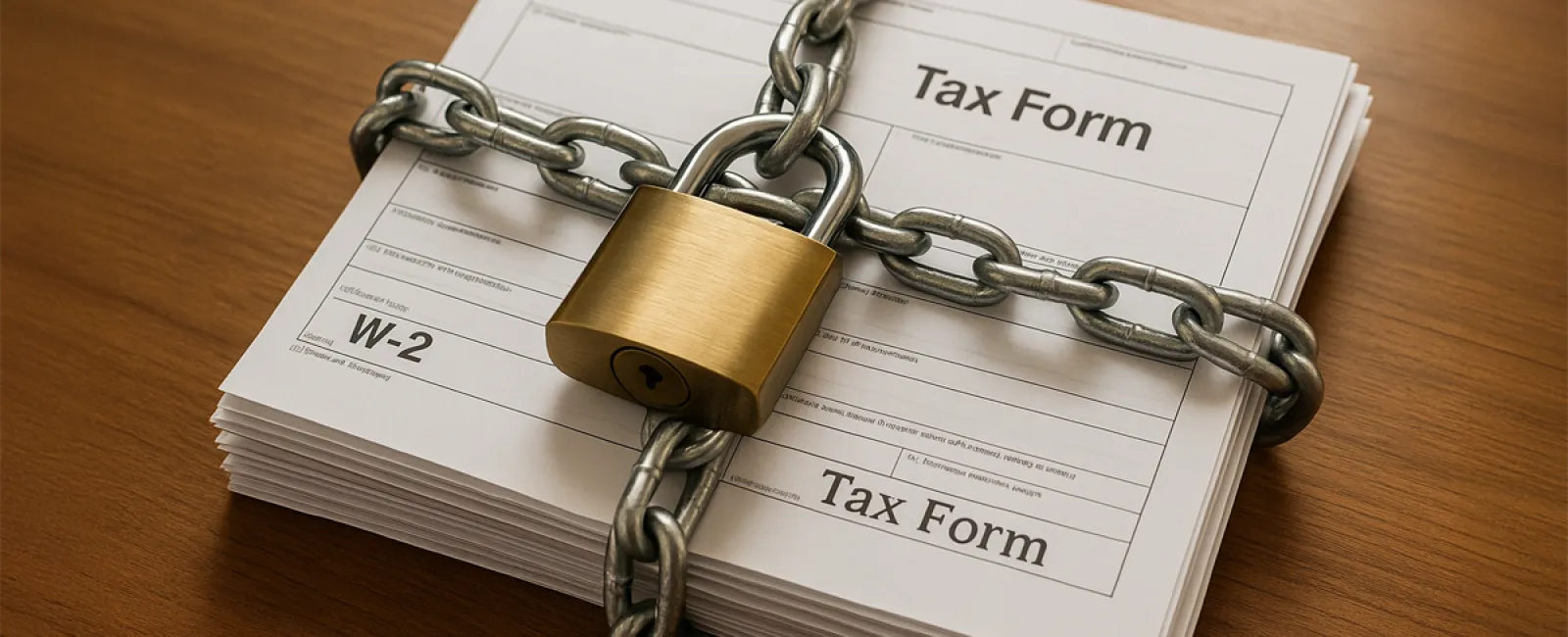
February marks the beginning of a critical time: tax season. Accountants are overwhelmed, bookkeepers sift through piles of paperwork, and everyone's focus shifts to W-2s, 1099s, and looming deadlines.
But what often goes unnoticed is the first major threat of tax season—it's not a tax form, but a cunning scam.
This scam arrives early, even before April, targeting small businesses with deceptive ease. It could already be lurking in an employee's inbox right now.
Understanding the W-2 Scam: A Breakdown
Here's how the scam unfolds:
An employee, usually someone in payroll or HR, receives an email appearing to come from the CEO, owner, or another high-ranking executive.
The message is brief and urgent:
"I need copies of all employee W-2s for an important accountant meeting. Please send them ASAP—I'm swamped today."
The request feels legitimate. The urgency fits with the busy tax season, making it natural and believable.
Consequently, the employee complies and sends the W-2 forms.
But the email is a forgery, sent by a cybercriminal using a spoofed address or a domain resembling your company's.
Now, the scammer has access to every employee's:
• Full legal name
• Social Security number
• Home address
• Salary details
This information is enough for identity theft and allows fraudulent tax returns to be filed before your employees even file theirs.
Consequences Following the Scam
Typically, victims realize the fraud when:
Their tax return is rejected with the message: "Return already filed for this Social Security number."
Somebody else has already filed and claimed their refund.
Employees then face a daunting process involving the IRS, credit monitoring, identity theft protection, and extensive paperwork over a stolen document they never knowingly shared.
Imagine this happening across your entire workforce—and then having to explain how personal data was compromised due to a phishing email.
This isn't just a security breach—it's a serious trust issue, an HR crisis, a potential legal liability, and a damaging blow to your business reputation.
Why This Scheme Is So Effective
This scam isn't a clumsy or obvious phishing attempt.
It succeeds because:
The timing is flawless — W-2 requests in February are expected and unquestioned.
The request is plausible — it isn't a bizarre demand for money but a standard tax-season document.
The urgency feels realistic — a busy executive's quick request doesn't raise suspicion.
The sender appears authentic — attackers research targets thoroughly, mimicking real executives or accountants.
Employees intend to help — the pressure to assist their boss leads to bypassing verification.
How To Shield Your Business From This Scam
Fortunately, preventing this scam depends more on clear policies and workplace culture than just technology.
Implement a strict "no W-2s sent via email" rule—no exceptions. Sensitive payroll documents must never leave your office as email attachments. Any email request, even if seemingly from the CEO, must be denied.
Insist on verifying sensitive requests through secondary channels—calls, face-to-face meetings, or internal chats. Use known phone numbers, never reply directly to suspicious emails. Taking 30 seconds to verify can prevent months of complications.
Host a brief tax-scam awareness meeting immediately. Equip your payroll and HR teams with the knowledge and protocols to spot these threats before they strike.
Secure payroll and HR systems with multi-factor authentication (MFA). Even if log-in credentials are compromised, MFA acts as a robust barrier.
Create a culture where double-checking requests isn't discouraged but commended. Reward employees for verifying unusual or urgent orders to eliminate scam opportunities.
These five straightforward steps are easy to implement quickly and powerful enough to stop the initial waves of attacks.
The Larger Threat Landscape
The W-2 scam is only one of many tax-related cyberattacks flooding inboxes as April approaches.
Expect to encounter:
• Phony IRS notices demanding immediate payment
• Deceptive phishing emails disguised as tax software updates
• Spoofed emails from "your accountant" containing harmful links
• Counterfeit invoices disguised as legitimate tax expenses
Cybercriminals thrive on the distraction and urgency during tax season, exploiting financial requests that appear ordinary.
Businesses that emerge from tax season unscathed do so not by chance, but due to their preparation.
They establish policies, conduct training, and deploy systems that intercept suspicious attempts before chaos ensues.
Is Your Business Ready for Tax Season Threats?
If your company already enforces strong policies and educates your team on spotting scams, you're ahead of many small businesses.
If not, the best time to act is now—before the first attack occurs.
Consider scheduling a 15-minute Tax Season Security Check with us.
We will assess:
• Payroll and HR access controls and MFA implementation
• Your procedures for verifying W-2 requests
• Email security measures against spoofing
• The critical policy adjustments overlooked by many businesses
And if your business is already protected, fantastic! But you might know others who aren't—share this guide to help prevent costly scams.
Click here or give us a call at 952-941-7333 to schedule your free Consult.
Because staying safe during tax season means avoiding the additional stress of identity theft.


